From Rendering to Reality: How to Streamline Signage During Design Development
In multifamily and mixed-use developments, signage is often treated as a finishing touch—something to be addressed after architecture and interiors are finalized. But that mindset can cost developers time, money, and brand consistency.
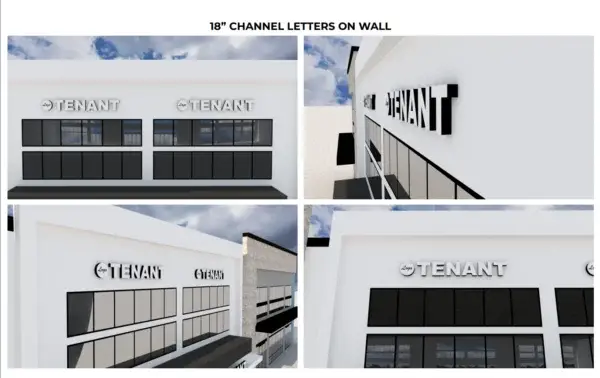
Why Early Integration Matters
Signage touches every discipline—architecture, interiors, branding, and construction. When it's introduced too late, it triggers a ripple of RFIs, redesigns, and coordination issues that slow down CD production and push costs higher.

Early alignment avoids:
- Redundant redesigns when signage conflicts with finishes or structural elements
- Change orders due to uncoordinated mounting details or power/data needs
- Delays in city review if sign locations or code notes are missing from permit sets
By addressing signage in Design Development (DD), you give teams time to validate aesthetics, technical feasibility, and compliance before CDs lock in.
Step 1: Bring Signage into the DD Coordination Loop
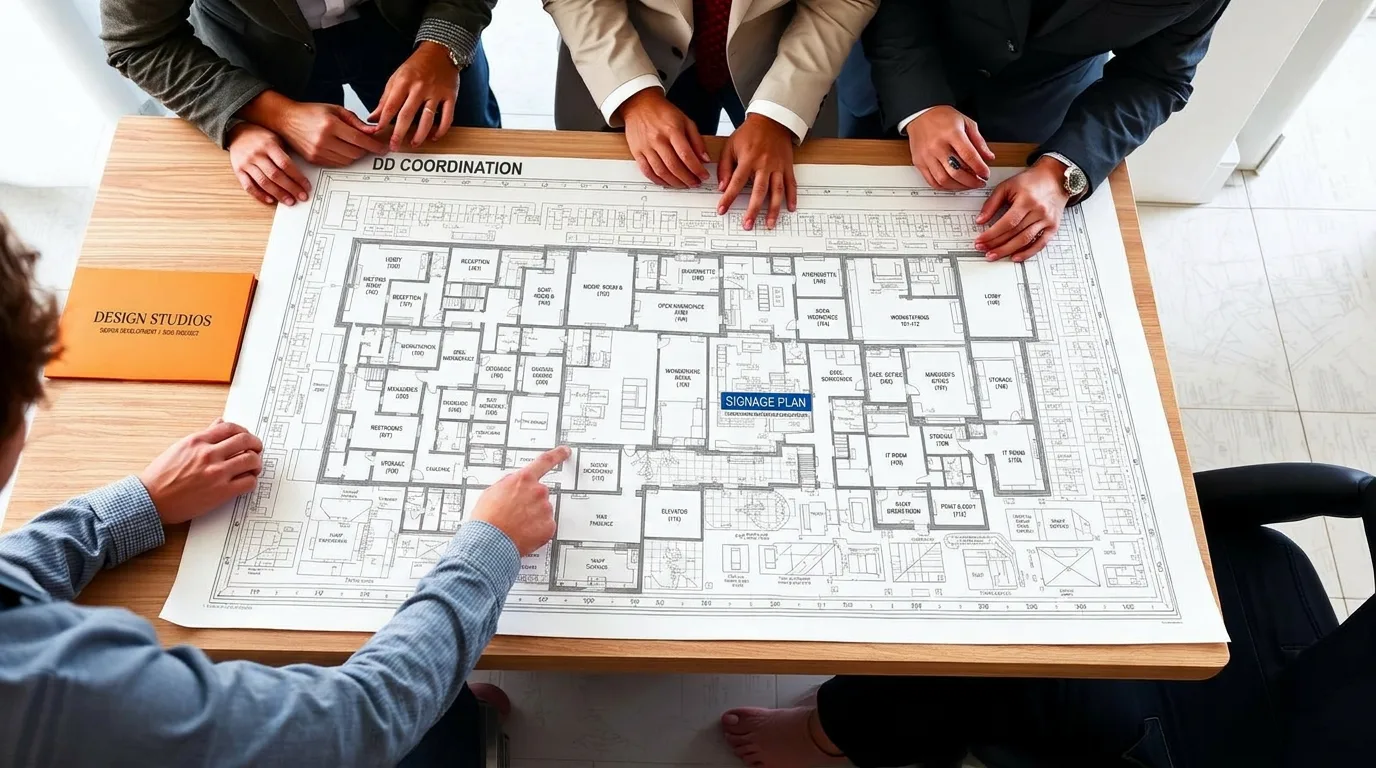
Treat signage as a design package, not an afterthought. A preliminary signage scope—directory placement, ADA system, amenity ID, exterior branding—should be discussed alongside lighting, landscape, and interiors.
Key tasks during DD:
- Identify all sign types and their general locations on floor plans
- Review mounting surfaces, wall assemblies, and power provisions
- Align sign finishes with architectural and interior material palettes
- Flag local code requirements early (height, area, illumination)
This DD-level coordination helps prevent future RFIs and ensures smooth documentation later.
Step 2: Loop in Branding and Marketing Teams
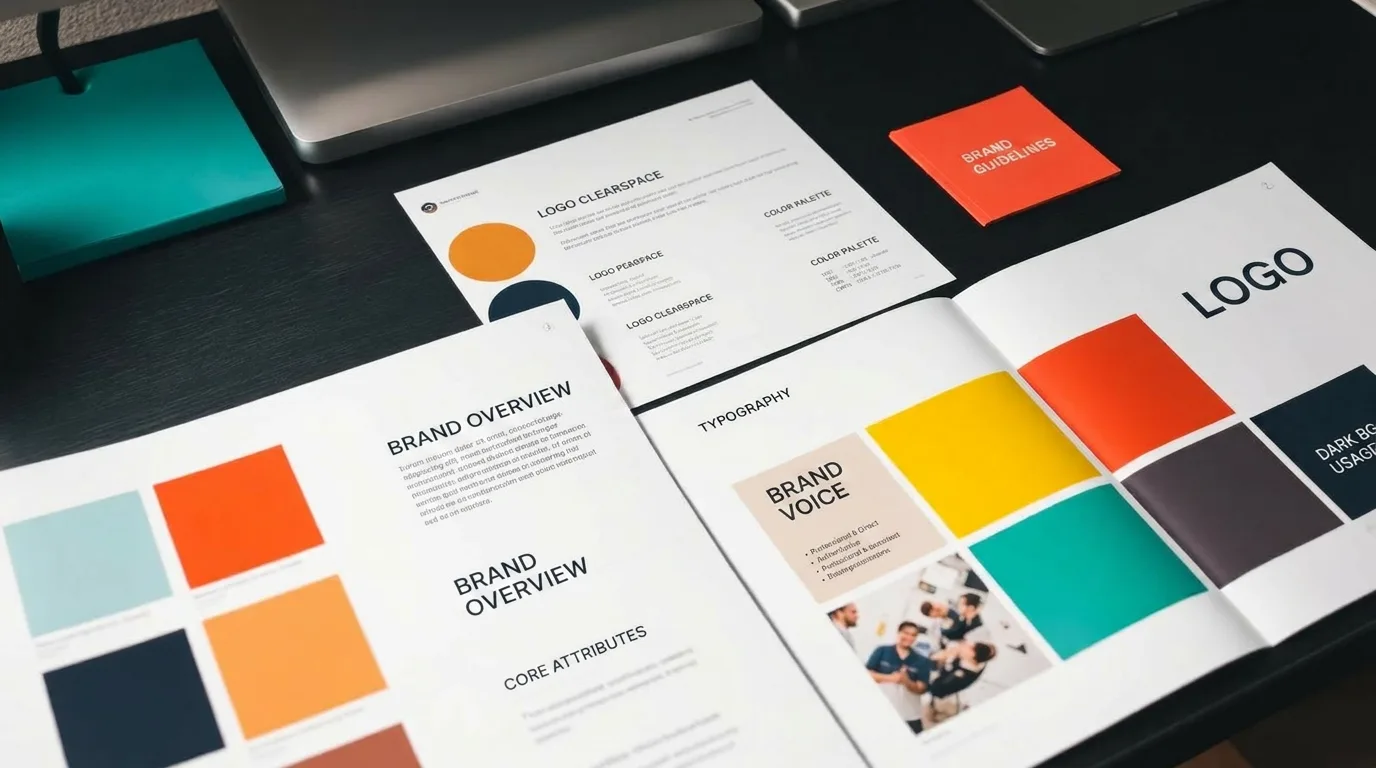
Signage is the physical expression of a property's identity. When branding and architecture operate in silos, the final result often feels disconnected.
Encourage your branding agency or in-house marketing team to:
- Share color palettes, typography, and tone of voice early
- Provide digital assets that can inform sign design
- Participate in reviews of key sign types (monument, entry ID, wayfinding)
That early creative handoff ensures the signage complements—not competes with—the architecture.
Step 3: Communicate with the GC Before CDs
Even before the project is bid, general contractors can provide valuable insight. Early conversations about attachment methods, field conditions, and sequencing help keep installation predictable.
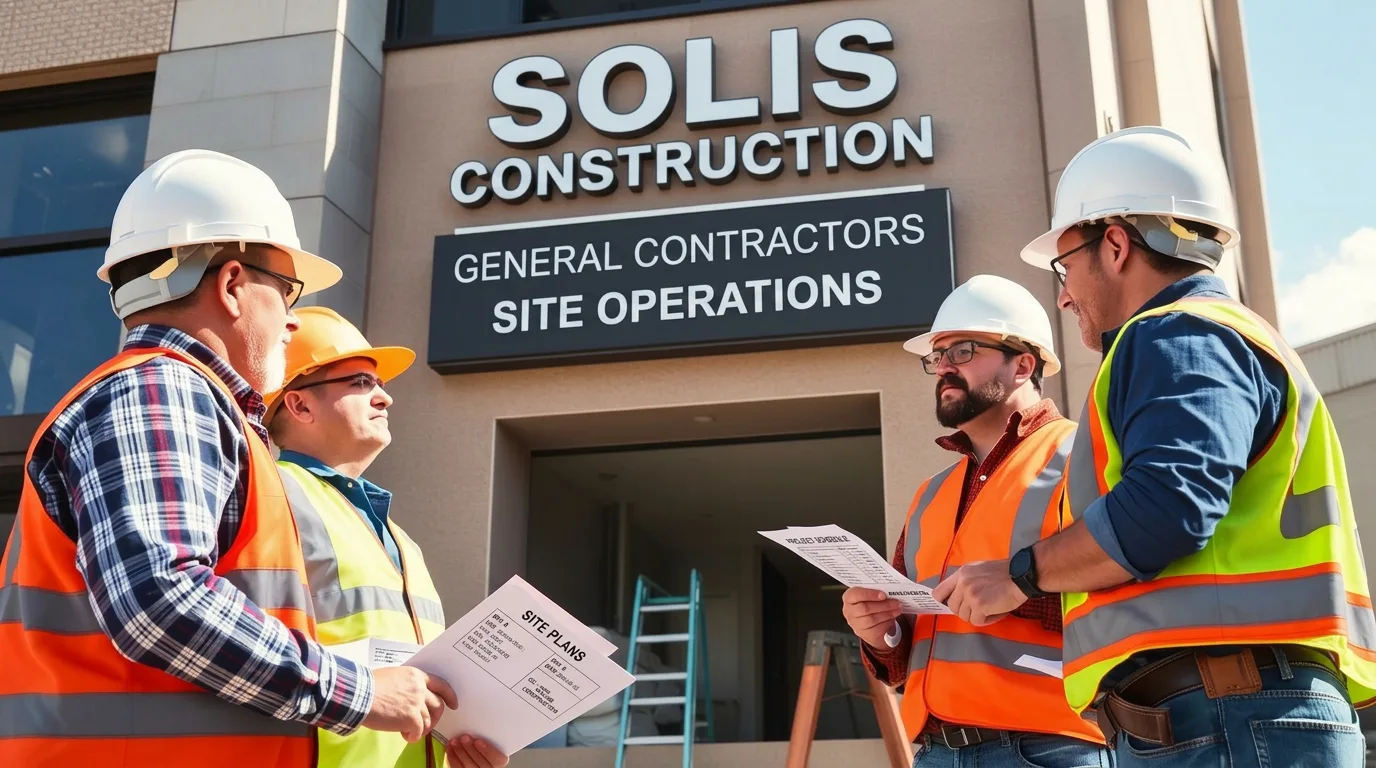
GC coordination topics:
- Preferred substrates for install and sealing details
- Coordination with other trades (electrical, glazing, masonry)
- Accessibility and ADA mounting heights
- Construction schedule impacts and lead times for fabrication
Step 4: Translate Design Intent into Buildable Details
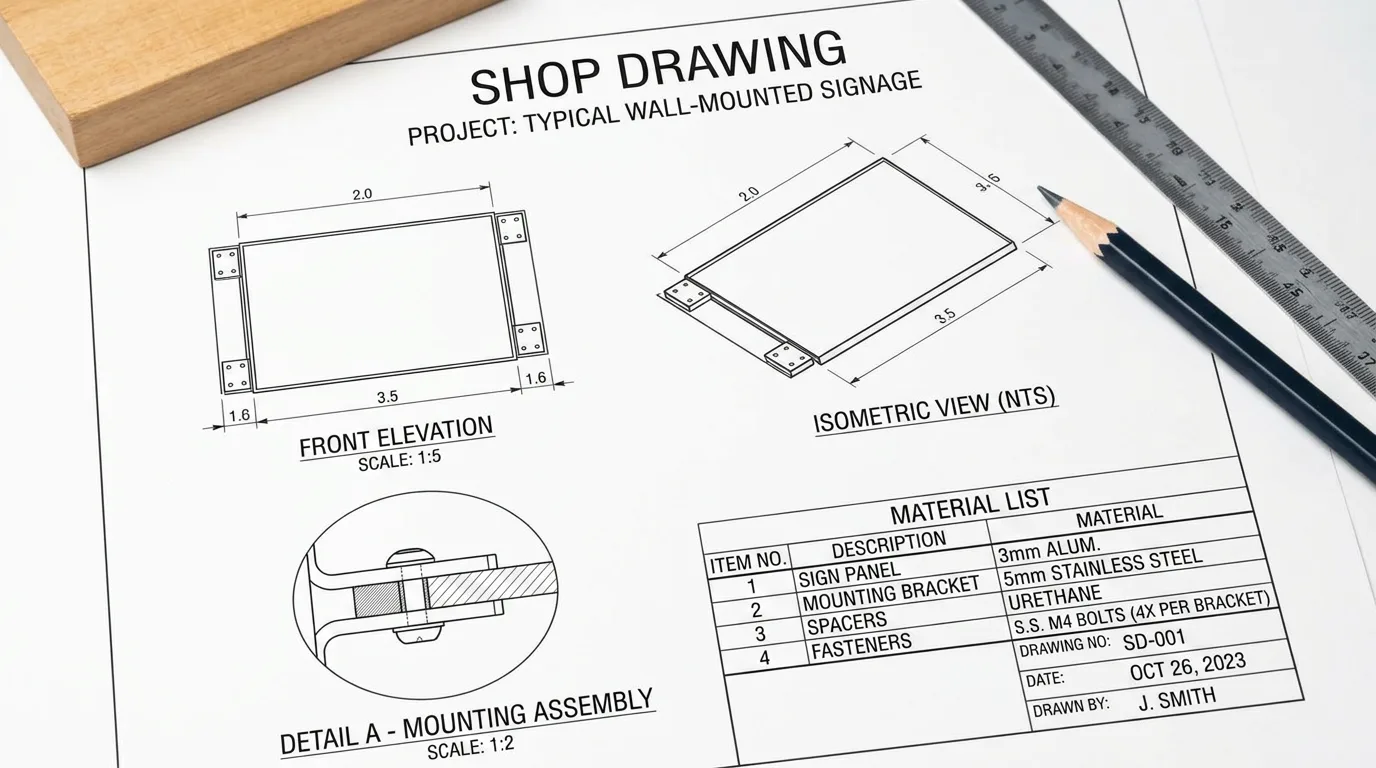
The best signage drawings balance aesthetics and constructability. During the DD-to-CD transition, translate conceptual visuals into technical documentation: mounting details, callouts, and material specs.
By aligning renderings with fabrication realities, you close the gap between design vision and installation success.
The ROI of Early Coordination
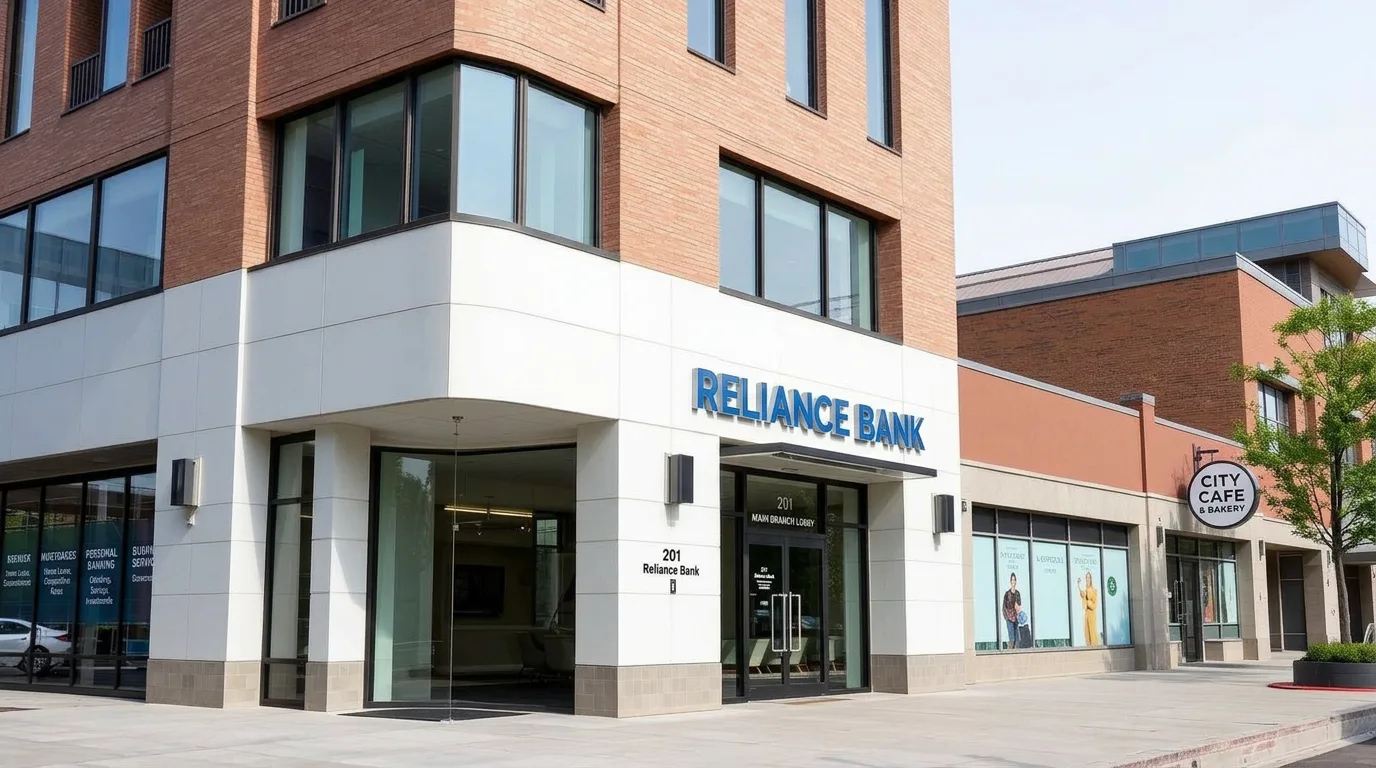
Developers who integrate signage during design development consistently report:
- Fewer RFIs and change orders
- Faster permitting due to complete documentation
- Higher brand cohesion across interiors, exteriors, and digital touchpoints
- Reduced rework once fabrication begins
Simply put, early coordination saves time and protects the brand story from being compromised in the field.
The Takeaway
Integrating signage into the architectural design process is not about adding work—it's about eliminating surprises. By looping in signage partners during design development, developers ensure that what's rendered in the model is exactly what's built on site. The result? Cohesive design, fewer delays, and a smoother path from concept to certificate of occupancy.