Decoding ADA: A Plain-English Guide to Signage Compliance for Multifamily Properties
Goal: help developers de-risk openings by nailing ADA signage requirements for apartment buildings—fast.
Quick Answers (FAQ)
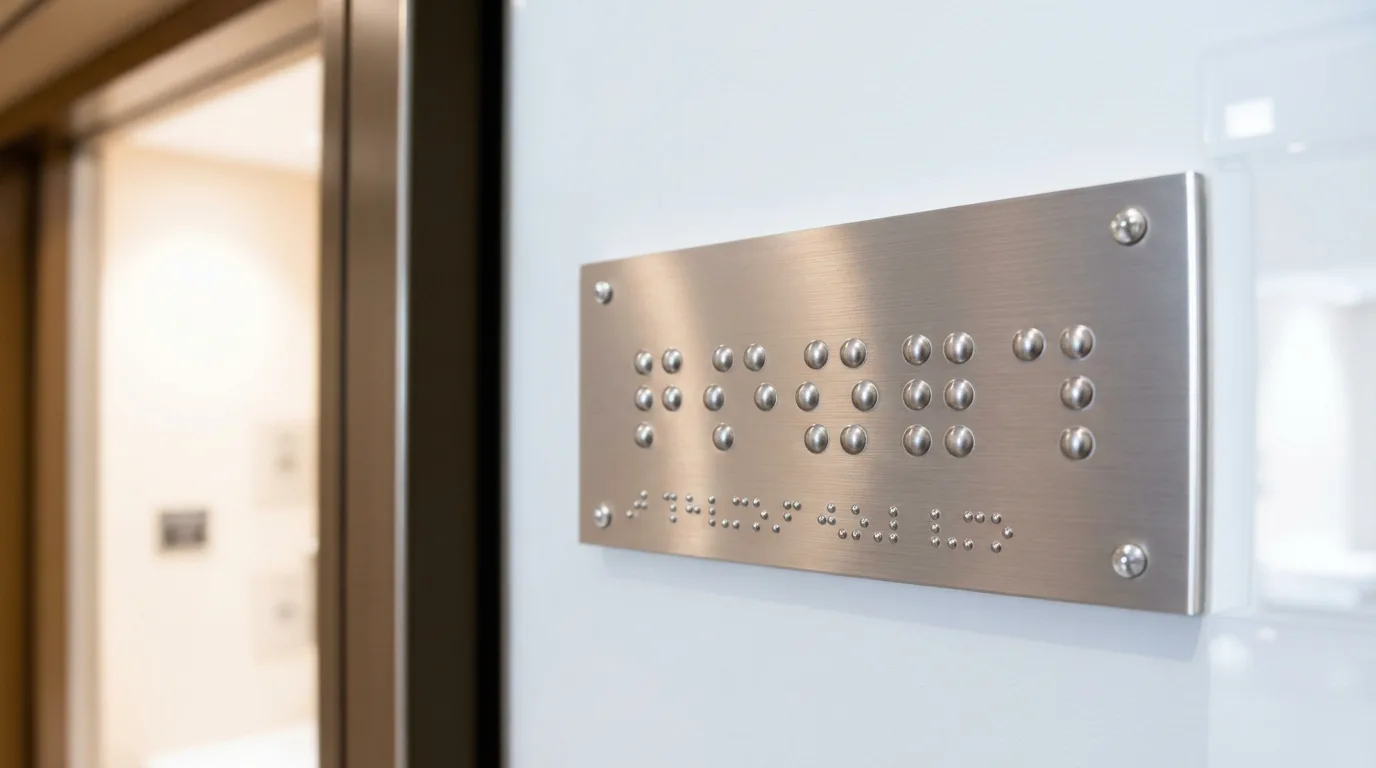
What is ADA signage, exactly? ADA-compliant signage refers to signs that meet the Americans with Disabilities Act standards for accessibility. These include tactile characters, braille, high contrast, and specific mounting requirements.
Which signs require ADA compliance? Any permanent room identification sign in a multifamily property, including:
- Unit numbers
- Common area names (Lobby, Pool, Fitness Center)
- Restrooms
- Stairwells and exits
What are the key technical requirements?
Character Height
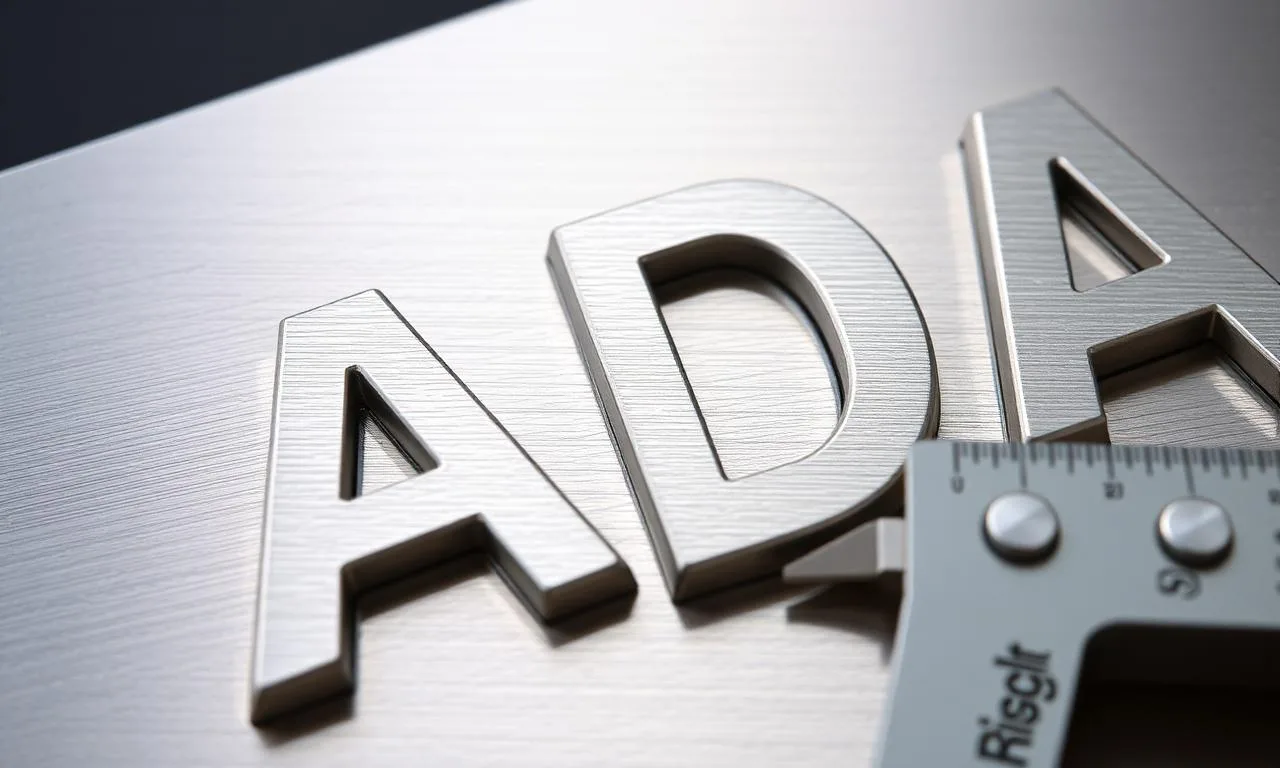
- Raised characters must be 5/8" to 2" tall
- Characters must be sans serif with no italic or script styles
Braille
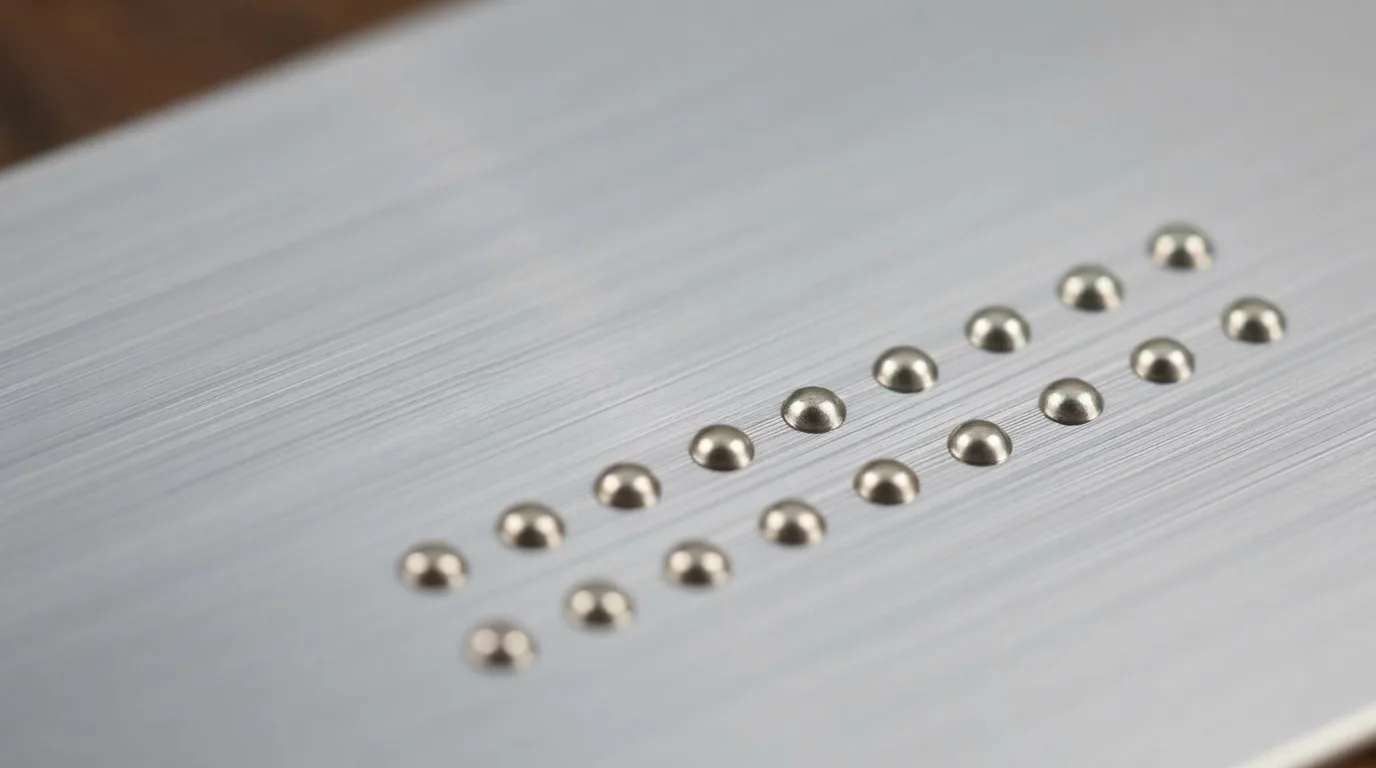
- Grade 2 braille required below corresponding text
- 3/8" minimum space between braille and raised text
Mounting Height
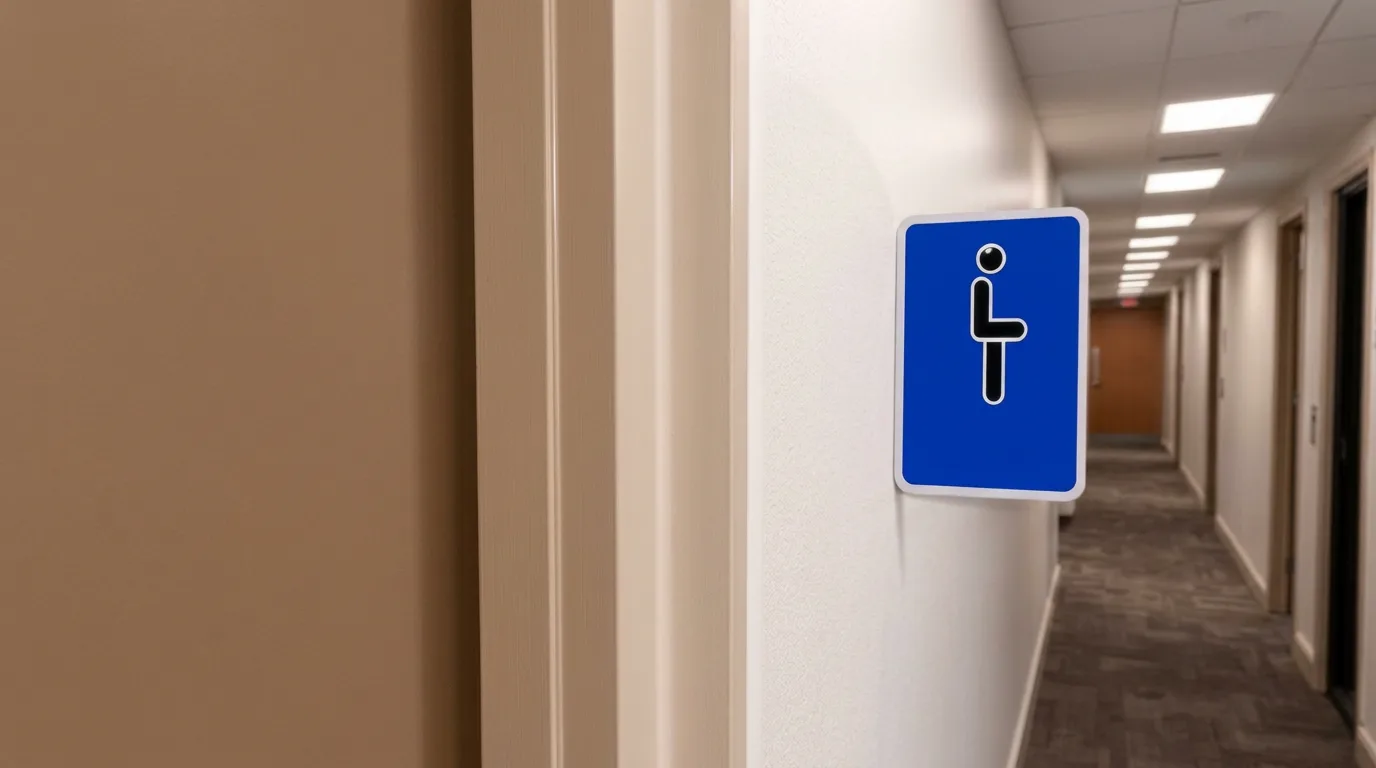
- Signs mounted at 60" to centerline of the sign
- Located on the latch side of the door
Finish
- Non-glare surface required
- High contrast between characters and background
Common Compliance Mistakes
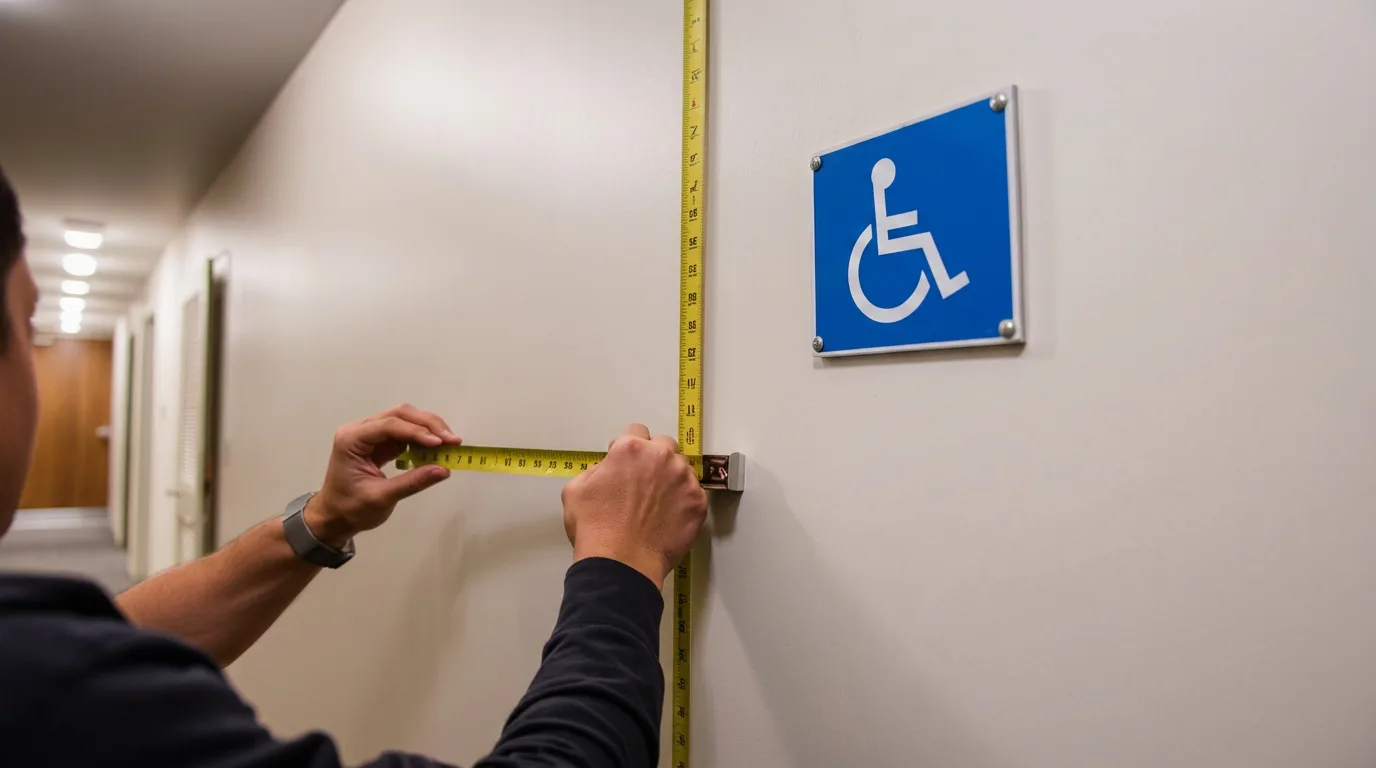
- Mounting on the wrong side of the door
- Using decorative fonts that don't meet character requirements
- Omitting braille or using incorrect grade
- Poor contrast ratios that fail accessibility tests
- Mounting at incorrect heights
Why ADA Compliance Matters for Certificate of Occupancy

Municipalities require ADA compliance before issuing a CO. Non-compliant signage can:
- Delay your opening while corrections are made
- Trigger reinspection fees
- Create liability exposure for the property owner
Working with Your Signage Partner
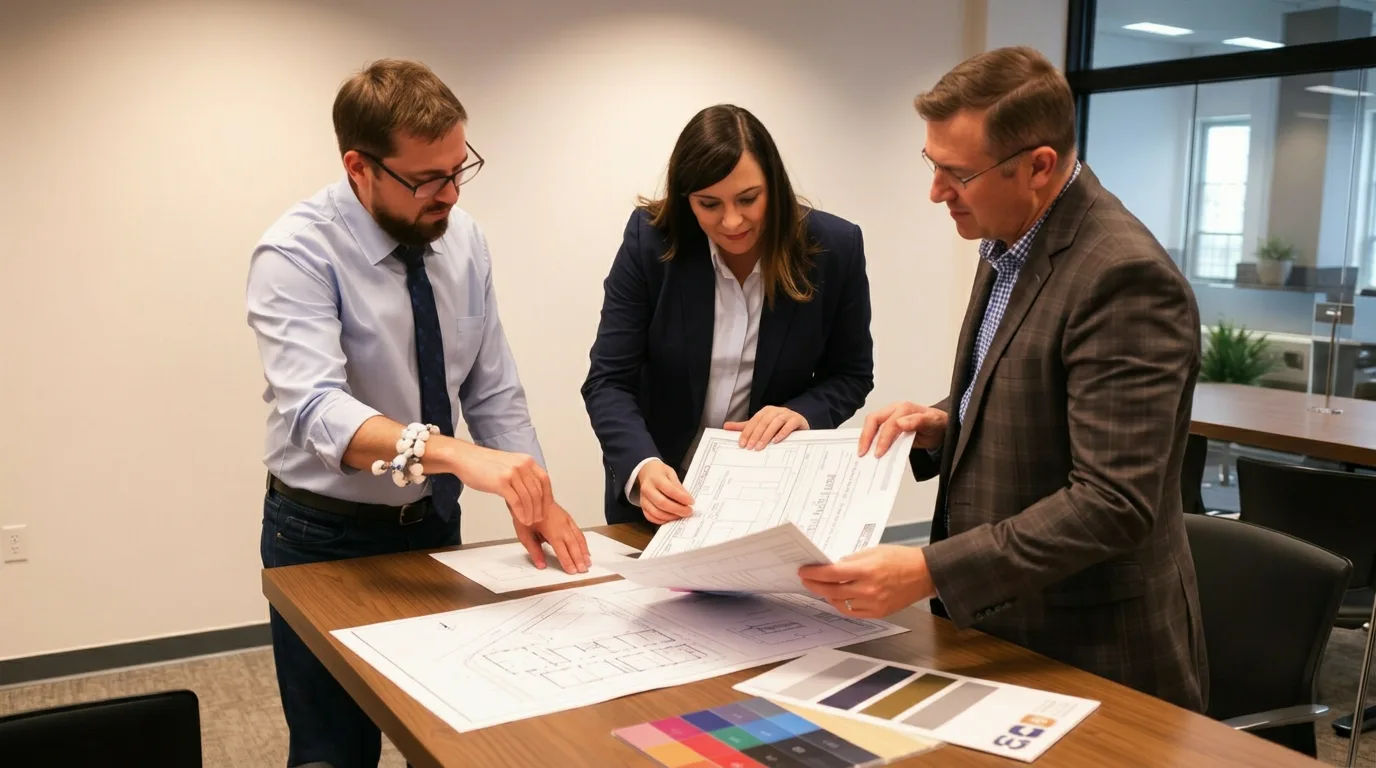
A knowledgeable signage company will:
- Specify compliant materials and finishes
- Provide mounting templates and instructions
- Coordinate with your contractor for correct installation
- Document compliance for your records
The Takeaway
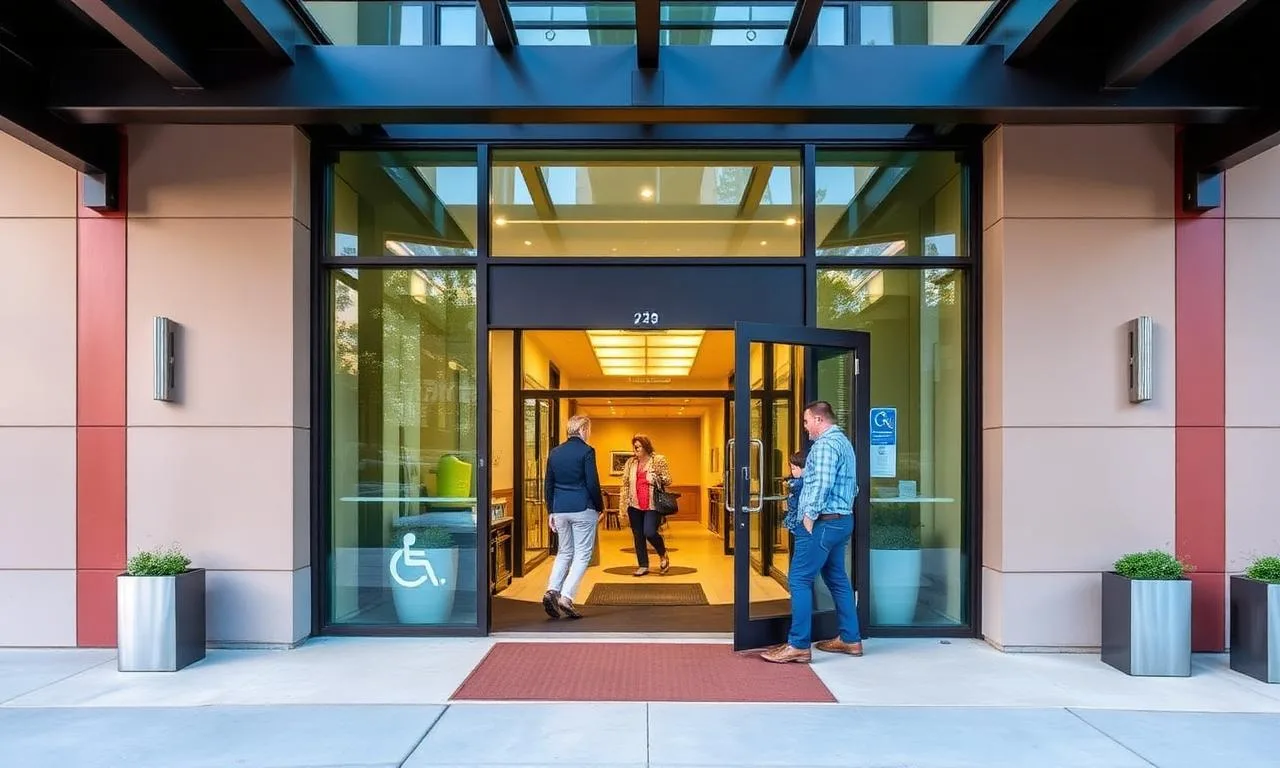
ADA signage compliance isn't optional—it's a gating factor for your certificate of occupancy. By understanding the requirements early and partnering with experts, you can avoid delays and ensure your property is accessible from day one.