Budget Smart: How to Plan Signage Costs Without Surprises
From material selection to permitting fees, learn how to build a realistic signage budget that keeps your multifamily or commercial project on track — and on budget.
Why Signage Budgets Go Off the Rails
If you've ever been blindsided by a signage change order, you're not alone. Signage is one of the most visible elements of any commercial or multifamily development, yet it's frequently underbudgeted — or budgeted too late in the process. The result? Rushed decisions, value-engineered designs that undercut your brand, and unexpected costs that eat into your contingency.
The good news: with a little planning upfront, signage can be one of the most predictable line items on your project. Here's how to get it right.
1. Start the Signage Conversation Early

The single biggest mistake developers make is treating signage as a finish-out item. By the time you're selecting sign types, the building façade is already up — and your options (and leverage) are limited.
Instead, loop in your signage partner during the design-development phase. This allows your team to:
- Coordinate electrical rough-ins for illuminated signs
- Specify mounting substrates and structural backing
- Identify code and zoning constraints before they become change orders
- Align signage design with architectural intent from the start
A 30-minute coordination call at the SD or DD stage can save tens of thousands of dollars downstream.
2. Understand What Drives Signage Costs

Signage pricing isn't arbitrary — it's driven by a handful of key variables. Understanding them helps you make informed trade-offs without sacrificing quality.
Materials
Aluminum channel letters cost less than stainless steel. Acrylic faces are more affordable than polycarbonate. Your material choices directly impact durability, aesthetics, and price — so choose based on the sign's environment and expected lifespan.
Illumination
Non-illuminated signs are the most affordable. Front-lit LED channel letters are the industry standard for visibility and efficiency. Halo-lit (reverse-lit) signs create a premium look but add cost. Know which effect you need before you spec it.
Size and Quantity
Larger signs require more material, more engineering, and often more complex installation. But economies of scale apply too — ordering a full signage package (monument, building, wayfinding, ADA) from one vendor is almost always more cost-effective than piecing it together.
Installation Complexity
A sign mounted at 10 feet requires a ladder. A sign at 40 feet requires a crane, rigging, and potentially lane closures. Factor in access, height, and site conditions when budgeting installation.
3. Don't Forget the Hidden Costs

The sign itself is only part of the budget. Make sure you're accounting for:
- Permitting fees: Vary widely by jurisdiction. Some municipalities charge flat fees; others charge per square foot of sign face.
- Engineering and stamped drawings: Required in most jurisdictions for structural and electrical compliance.
- Electrical connections: If your electrician didn't rough in power to the sign location, you'll pay for it later.
- Variance or zoning applications: If your sign doesn't conform to local code, you may need a variance — which adds time and cost.
- Landlord or HOA review: Some properties require design review and approval, which can trigger revisions.
4. Build a Phased Signage Plan
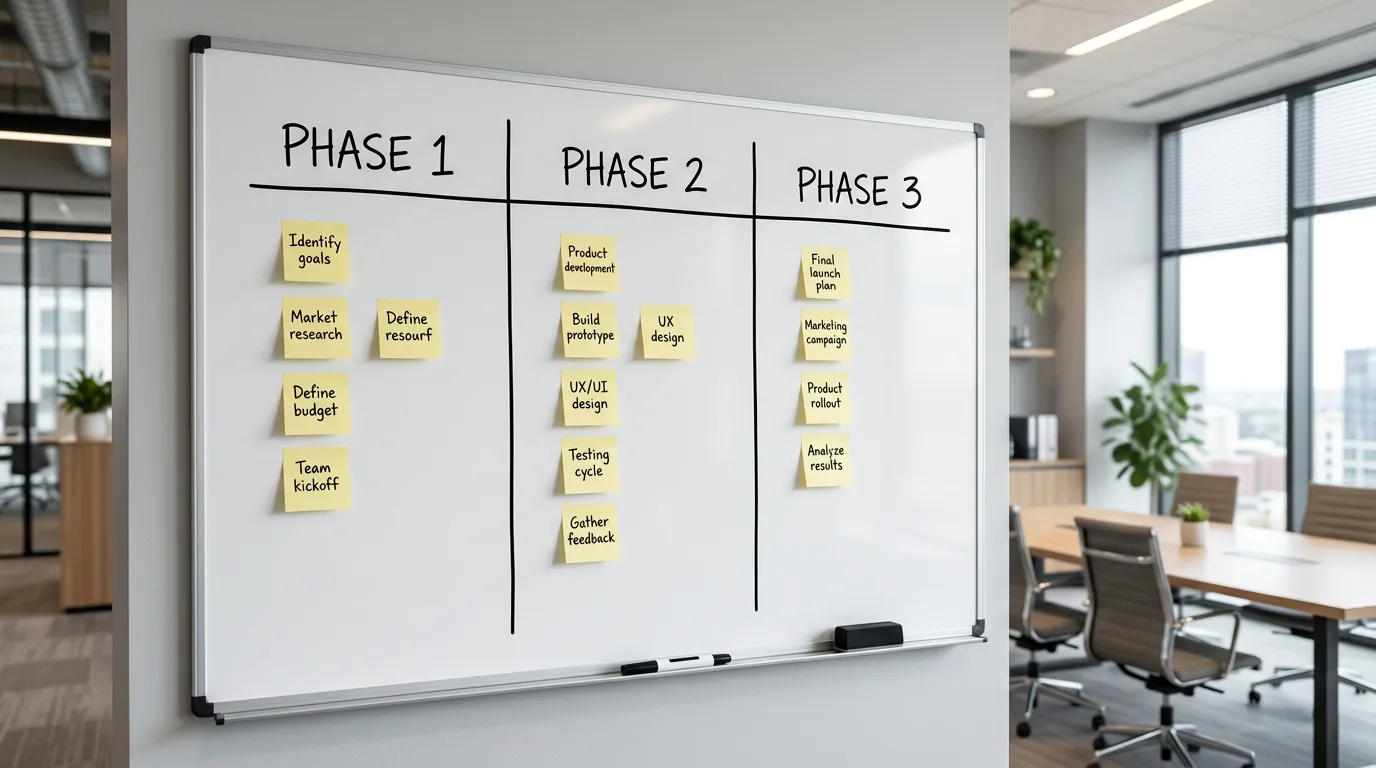
You don't have to install everything at once. A smart phasing strategy lets you prioritize the signs that drive the most impact early, while deferring lower-priority items.
Phase 1 (Pre-Opening): Monument sign, main building ID, and construction/coming-soon signage. These drive awareness and support lease-up.
Phase 2 (Move-In): Wayfinding, ADA/code-required signage, and directory signs. These are essential for occupancy and CO.
Phase 3 (Stabilization): Amenity signage, environmental graphics, art installations, and tenant signage. These enhance the resident or tenant experience.
5. Get a Comprehensive Proposal — Not Just a Quote

A quote tells you a price. A proposal tells you what you're getting, why, and what's included. When evaluating signage partners, look for proposals that include:
- Itemized pricing by sign type
- Material and finish specifications
- Installation scope and method
- Permitting responsibility and timeline
- Warranty terms
- Exclusions clearly stated
The cheapest bid is rarely the best value. A sign that fails in two years costs more than a sign that lasts fifteen.
6. Align Your Budget with Your Brand

Your signage is often the first physical touchpoint a prospect, tenant, or visitor has with your property. Cutting corners here sends the wrong message — literally.
That doesn't mean you need to overspend. It means you should invest strategically: put your budget where it has the most impact (monument signs, building identity, entry experience) and be practical where you can (back-of-house wayfinding, utility signage).
The Bottom Line
Signage budgeting doesn't have to be a guessing game. By engaging your signage partner early, understanding cost drivers, accounting for hidden expenses, and phasing strategically, you can deliver a polished, brand-aligned signage program without the surprises.
Need help building a signage budget for your next project? Reach out to our team — we'll walk you through it.